
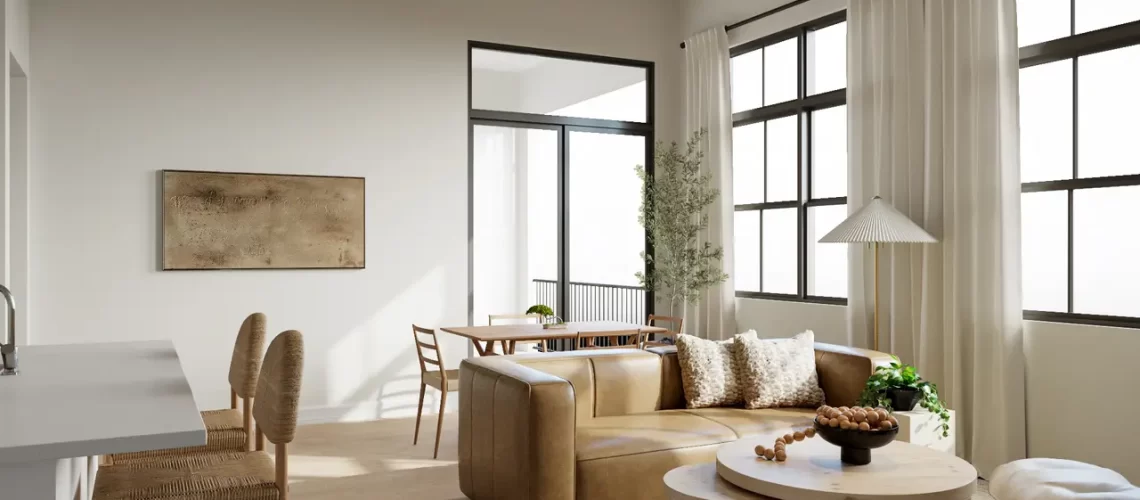
Delve into the serene ethos of minimalist interior design; it’s not just a style—it’s a philosophy of embracing less to enjoy more. This guide will lead you through transforming your area into a haven of tranquility and simplicity, turning each space into a Zen sanctuary that breaths calmness into your daily life.

The Philosophy Behind Minimalist Interior Design
At its core, minimalist interior design is about stripping away the unnecessary, focusing on what’s essential to foster a sense of peace and clarity. It’s a philosophy that extends beyond the physical space, influencing one’s lifestyle and mindset towards simplicity and intentionality. Embracing minimalist design means prioritizing space over objects, light over shadow, and functionality over clutter, creating an environment that reflects a calm and ordered state of mind.
This design philosophy advocates for less being more, where each piece of furniture and décor is chosen with purpose, contributing to the overall tranquility and functionality of the space. The minimalist approach is deeply rooted in Zen principles, emphasizing balance, harmony, and the flow of energy throughout the home. In this light, minimalist interior design becomes not just a stylistic choice, but a transformative tool for enhancing well-being and reducing stress.
Key Elements of Minimalist Design
Central to minimalist design are clean lines, a monochromatic color scheme, and the elimination of excess. Furniture is chosen for its functionality and its ability to integrate seamlessly with the surrounding space, often featuring sleek, simple designs that don’t distract from the overall sense of calm. Clutter is minimized, and every item in the space is intentional, either serving a specific function or contributing to the aesthetic minimalism.
Another key element of minimalist design is the importance of space—not just its physical dimensions, but the idea of creating breathing room for the mind. This philosophy extends to the walls, which are often left bare or adorned with a single piece of artwork that captures the essence of the room. The simplicity of the décor is designed to highlight the beauty of the space itself, rather than overwhelming it with details.
Lighting, too, plays a pivotal role in minimalist interior design. Natural light is maximized to enhance the sense of space and open up the room, complemented by subtle artificial lighting that adds warmth and depth without creating visual clutter. The goal is to create an environment that feels both airy and cozy, inviting reflection and relaxation.
Choosing the Right Color Palette for Tranquility
The color palette of a minimalist design is typically understated, utilizing neutral and earth tones to create a soothing atmosphere that encourages relaxation. Whites, beiges, greys, and soft pastels are common choices, reflecting light and amplifying the sense of space within the room. These colors not only contribute to the minimalist ethos but also have a proven psychological effect, reducing stress and enhancing feelings of calm.
Furniture Selection: Balancing Function and Form
When selecting furniture for a minimalist interior, the emphasis is on the balance between function and form. Each piece must serve a purpose and be aesthetically pleasing, without drawing undue attention or contributing to a sense of clutter. Furniture in minimalist spaces often features clean, geometric shapes and is made from quality materials that emphasize natural beauty and durability. The minimalist approach to furniture is not about deprivation but about finding beauty in simplicity, choosing pieces that offer comfort and functionality in their most elemental forms.
Decluttering Strategies for a Serene Space
A key principle of minimalist interior design is decluttering—both as a one-time effort to transform a space and as an ongoing lifestyle choice. The process involves not only physical decluttering but also a mental shift towards valuing quality over quantity. Strategies include adopting a more intentional approach to possessions, regularly reassessing items’ utility and emotional value, and implementing storage solutions that keep necessary items out of sight but easily accessible.
Incorporating Nature into Minimalist Designs
Incorporating elements of nature into the home is a common practice in minimalist design, enhancing the sense of peace and connection to the outside world. This can be achieved through the use of natural materials, such as wood and stone, and by integrating plants into the interior design. Not only do plants add a touch of color and vitality to the minimalist aesthetic, but they also have been shown to improve air quality and mood, reinforcing the design’s overarching goal of creating a serene living space.
Lighties of Minimalist Home
Good lighting is crucial in minimalist interior design, with a focus on creating a well-lit, welcoming space. Strategic placement of lighting fixtures, along with the maximization of natural light through large windows, are key aspects of this. Soft, indirect lighting is often used to accentuate architectural features and to add warmth to the room, while also facilitating different activities such as reading or relaxing. Through thoughtful lighting design, minimalist interiors can achieve a balance between functionality and aesthetics, ensuring that spaces feel alive and dynamic.
Art and Minimalism: Selecting Pieces that Speak to You
In a minimalist setting, art plays a significant role in adding personality and depth to the environment. The key is to select pieces that resonate on a personal level, without overwhelming the space. Minimalist art often features simple, abstract compositions that evoke calm and contemplation, complementing the interior’s clean lines and neutral color palette. By choosing art thoughtfully, it becomes more than just decoration—it enhances the minimalist ethos, providing a source of beauty and inspiration that aligns with the overall aesthetic.
Maintaining Minimalism: Tips for Long-Term Simplicity
Adopting a minimalist approach is just the beginning; maintaining it requires ongoing effort and intention. Key strategies for preserving a minimalist space include regularly decluttering, being mindful of new acquisitions, and embracing the philosophy of ‘less is more’ in every aspect of home and lifestyle. By integrating these principles into daily living, the minimalist design can evolve from a stylistic choice to a sustainable, fulfilling way of life, contributing to greater peace and contentment.
Creating a Lasting Peace
In your journey through minimalism, always remember that minimalist interior design is more than just an aesthetic choice—it’s a pathway to a calmer, more focused lifestyle. By incorporating the elements discussed, from the calming color palettes to the thoughtful selection of art, you create not just a visually pleasing space but a home that truly embodies the Zen sanctuary you’ve envisioned. Embrace minimalism not as a trend, but as a mindful approach to living, where every object and decision contributes to your sanctuary of peace.
