
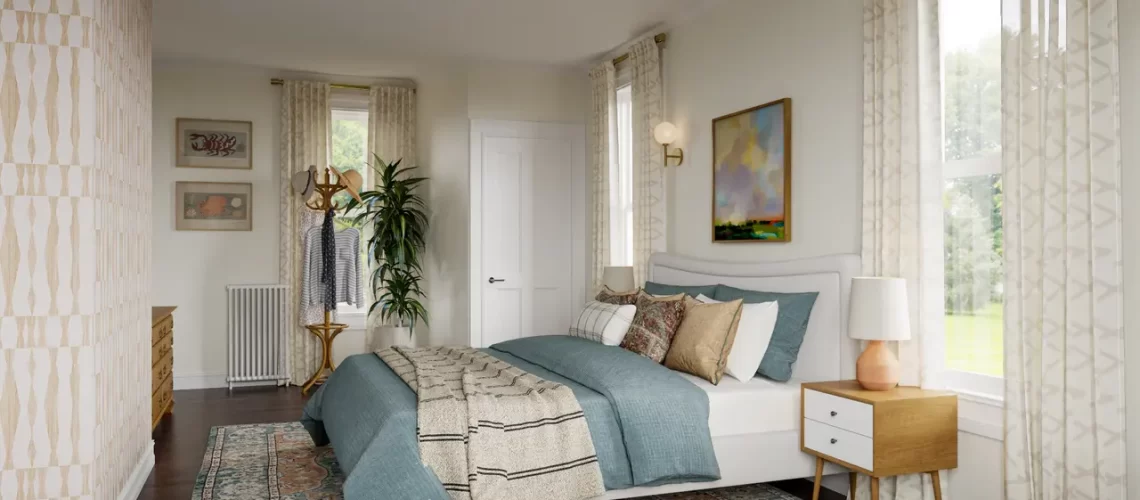
In a world craving sustainable solutions, eco-friendly materials offer more than just a green alternative for your home renovation; they weave responsibility and style into the fabric of your living spaces. Dive into why these materials are not just good for the planet, but for your health and wallet too.

Understanding Eco-Friendly Materials and Their Importance
Eco-friendly materials, derived from sustainable sources and processes, are pivotal in reducing the carbon footprint of home renovations. Unlike traditional materials, they come with a lower environmental impact, thanks to processes that require less energy and produce fewer emissions. This conscious choice not only conserves natural resources but also promotes healthier living environments, free from harmful chemicals commonly found in conventional building materials.
The rising interest in eco-friendly interiors signifies a shift towards more responsible consumer behavior. As we become increasingly aware of our environmental impact, the demand for sustainable, recyclable, and biodegradable materials continues to grow. This growing trend reflects a collective effort to protect our planet for future generations while enjoying stylish and modern homes.
Top Eco-Friendly Materials for Sustainable Home Renovations
Bamboo stands out as an extraordinary material for eco-friendly renovations. Its rapid growth rate and ability to regenerate without replanting make it a sustainable choice. Bamboo flooring, cabinetry, and decorative features offer durability and a sleek, modern look. Another favorite is recycled glass, which breathes new life into countertops and backsplashes while reducing landfill waste.
Cork, harvested from the bark of cork oak trees without harming the tree, is renowned for its insulating properties and versatility. Its natural texture adds warmth and comfort to floors and walls, enhancing the acoustic quality of rooms. Additionally, reclaimed wood, sourced from old buildings or ships, offers unique, rich textures and stories, capturing the essence of sustainable living by repurposing materials that would otherwise be discarded.
The Impact of Eco-Friendly Interiors on Health and Wellbeing
Integrating eco-friendly materials into home interiors significantly impacts health and wellbeing. Natural materials like wool insulation and clay plaster regulate humidity, creating a more comfortable and allergen-free environment. These materials also minimize exposure to volatile organic compounds (VOCs), commonly found in synthetic materials, ensuring the air quality inside homes is safer and cleaner.
Beyond physical health benefits, eco-friendly interiors contribute to mental and emotional wellbeing. Spaces designed with natural elements, such as light wood, stone, and plants, are known to reduce stress and enhance mood, fostering a serene and inviting atmosphere. This connection to nature within our living spaces reminds us of our role in the larger ecosystem, encouraging a more mindful and sustainable lifestyle.
Cost Comparison: Eco-Friendly vs Traditional Building Materials
While the upfront cost of eco-friendly materials can be higher than traditional options, the long-term savings and benefits justify the investment. Energy-efficient materials, such as insulating cork or bamboo, reduce utility bills by maintaining temperature stability. Furthermore, the durability and timeless appeal of sustainable materials minimize the need for frequent replacements, offering significant savings over time.
The economic benefits extend beyond individual savings, contributing to a broader societal impact. Investing in eco-friendly materials supports industries that prioritize sustainable practices, driving demand and encouraging innovation in green technology. This cycle of investment and development fuels a green economy, creating jobs and reducing environmental impact.
Incorporating Eco-Friendly Design in Your Renovation Project
Adopting eco-friendly interiors doesn’t mean compromising on design or comfort. Incorporating sustainable materials offers an opportunity to explore creative, innovative solutions that blend aesthetics with functionality. Designers and homeowners alike are finding unique ways to repurpose and highlight these materials, from bamboo wall panels to recycled glass tiles, each choice reflecting a commitment to sustainability and style.
The integration of green spaces, through indoor gardens and plant walls, further enhances the eco-friendly ethos of a renovation project. These living elements purify the air, while adding a dynamic, vibrant touch to interiors. Optimizing natural light through thoughtful window placement not only reduces the need for artificial lighting but also connects inhabitants with the outdoor environment, enhancing the overall sense of wellbeing.
Success Stories: Transformations with Eco-Friendly Interiors
Success stories of eco-friendly renovations abound, offering inspiring examples of how sustainability and beauty can go hand in hand. One notable transformation involved an abandoned industrial building repurposed into a stunning home using recycled materials and energy-efficient design. The project not only conserved resources but also gave new life to a previously neglected space, showcasing the potential of eco-friendly interiors to redefine spaces and perceptions.
Another success story highlights a family home renovation that embraced sustainability from the ground up. Utilizing solar panels, rainwater harvesting systems, and sustainable materials, the house achieved net-zero energy consumption, setting a benchmark for eco-friendly living. These stories underscore the transformative power of green materials and technologies in creating spaces that are not only environmentally responsible but also innovative and stylish.
Embracing Eco-Friendly Interiors: A Step Towards Sustainable Living
Making the shift towards eco-friendly interiors is not just a trend, but a meaningful step towards sustainability. By choosing materials that are kind to the earth, we not only contribute to environmental conservation but also enhance our living spaces with natural beauty and health benefits. It’s a choice that pays off in the long run, offering savings, durability, and a clear conscience. Embrace these materials in your next renovation to not only transform your home but also make a positive impact on the planet.
