
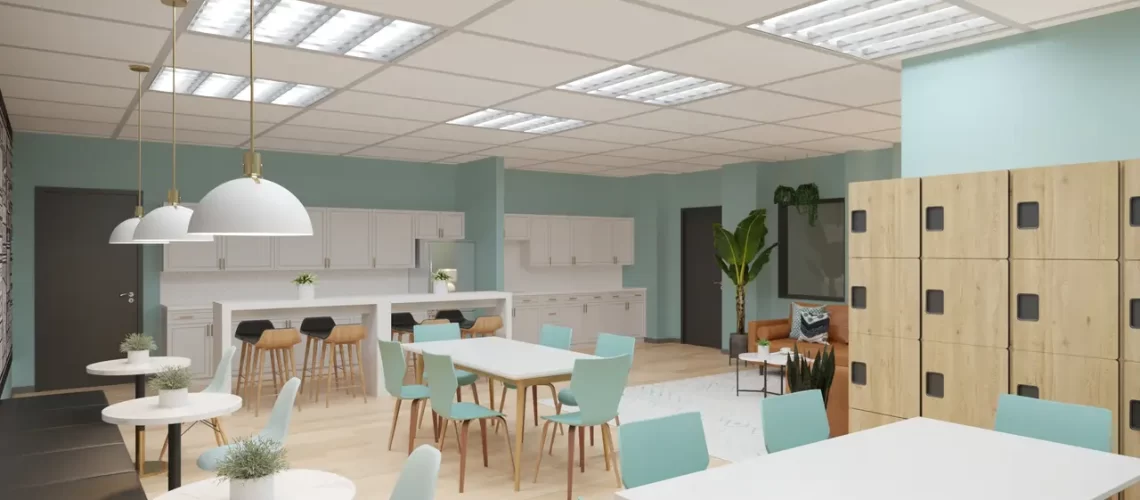
In today’s fast-paced world, the way we design our spaces has transformed thanks to advanced design technology. These innovative solutions not only redefine the aesthetics of a place but also enhance its functionality, making every corner of our habitat or workspace smarter, more efficient, and incredibly adaptable.

Exploring the Basics of Advanced Design Technology
The essence of advanced design technology lies in its ability to merge creativity with functionality, bringing about spaces that not only look spectacular but also serve purposes beyond the conventional. Utilizing tools like 3D modeling software, architects and designers are now able to visualize complex structures and environments with stunning accuracy, paving the way for innovation in every blueprint.
Moreover, with advancements such as Digital Twin technology, the realms of possibility extend into the operation and maintenance of these spaces, allowing for a real-time connection between the physical and digital worlds. This bridging of gaps means that spaces are not only designed with precision but also managed with unparalleled efficiency.
The Impact of Innovative Solutions on Modern Spaces
One cannot overlook the transformative impact of advanced design technology on modern spaces. Smart homes and offices, equipped with IoT (Internet of Things) devices, adjust to the preferences of their occupants, creating environments that are truly responsive. This shift towards automated, adaptive spaces heralds a new age of comfort and convenience.
On a larger scale, urban spaces benefit from these technologies through the development of SMART cities. Here, everything from traffic management to environmental monitoring can be optimized for the well-being of its citizens, demonstrating the far-reaching implications of these advancements.
Case Studies: Successful Applications of Advanced Design Technology
One striking example of advanced design technology at work is the construction of the Edge in Amsterdam, which has been dubbed the smartest building in the world. Integrated with over 28,000 sensors, it not only optimizes energy use but also personalizes workspace lighting and temperature for its occupants.
Another example can be found in the redesign of the San Francisco Bay Bridge, where advanced modeling technology was used to simulate earthquakes, ensuring its resilience. These case studies highlight the application and benefits of such technologies in real-world scenarios, emphasizing not just innovation, but also safety and sustainability.
Future Trends in Space Design and Technology
As we look to the future, the integration of virtual reality (VR) and augmented reality (AR) in space design stands out. These technologies not only enhance the design process but also offer new ways to experience spaces before they are built. Additionally, the focus on sustainability is driving the adoption of greener materials and smarter, energy-efficient designs.
How to Integrate Advanced Design Technology into Your Space
Integrating advanced design technology into your space begins with embracing the mindset of innovation. Start by consulting with design professionals who are versed in these technologies and can provide tailored solutions. Whether it’s through adopting smart home devices or considering energy-efficient materials in your next renovation, taking the first step is key.
Moreover, staying informed about the latest trends and developments in design technology will ensure that your space remains at the forefront of innovation. Workshops, webinars, and industry conferences are great avenues to gain insights and inspiration for your next project.
Embracing the Future of Space Design
As we stand on the brink of a new era, advanced design technology holds the promise of transforming our living and working environments in unimaginable ways. From creating spaces that adapt to our needs to integrating sustainable practices seamlessly, the future of design is here. Embrace these innovations to not only enhance the beauty and intelligence of your space but to also make a conscious choice towards a better, more sustainable future. The journey of transforming spaces with advanced design technology is just beginning, and the possibilities are endless.
